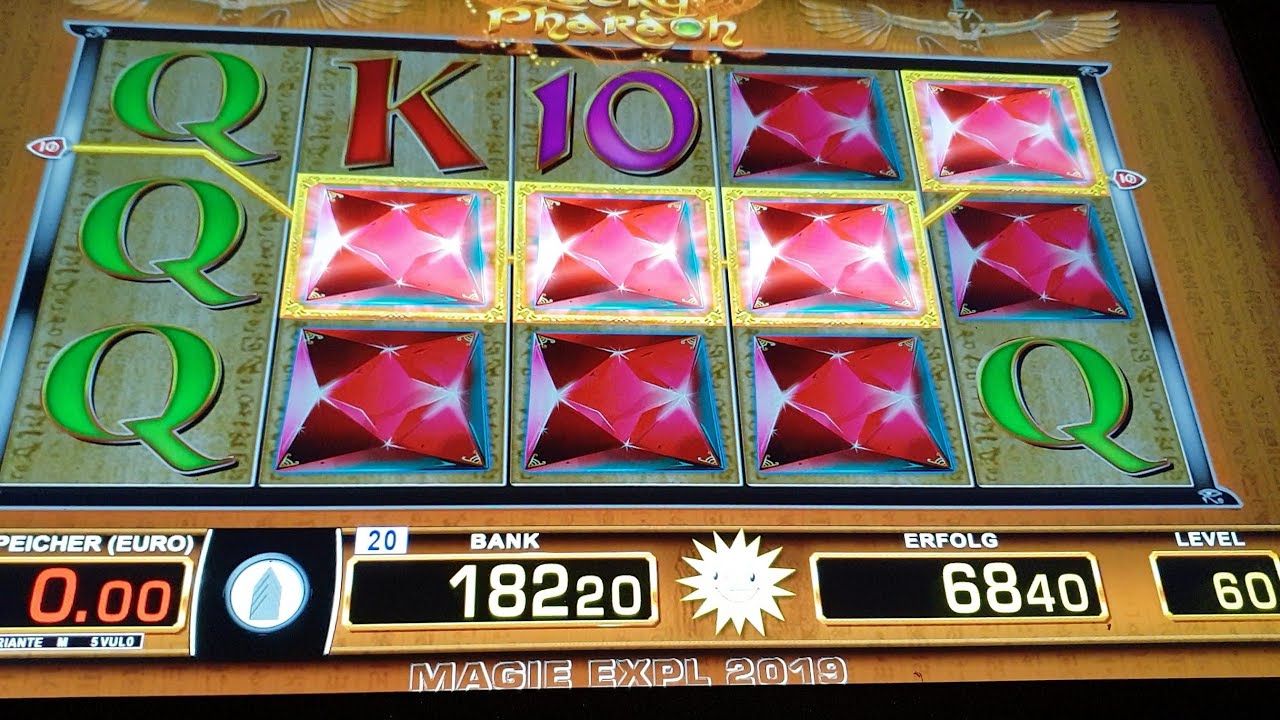
If you are playing Lucky Pharaoh from the Britain, you should understand its data protection policy https://luckypharaohcasino.com/. This isn’t just a legal box to tick. It’s the heart of your trust in the title. This overview clarifies how Lucky Pharaoh manages your personal information, showing how its practices align with the British strict regulatory framework. We shall cut through the legal jargon so you are fully aware what occurs with your information when you spin.
Key UK Laws Controlling Data Protection
For UK players on Lucky Pharaoh Slot, several main laws define the rules. The UK General Data Protection Regulation (UK GDPR) and the Data Protection Act 2018 set the benchmark for data rights. They regulate the lawful ways companies can process, keep, and protect personal information.
The UK General Data Protection Regulation and Data Protection Act 2018
These regulations impose fundamental ideas. Companies should gather only the data they absolutely need, and they must employ it only for the reasons they specified. They also hand you significant power. You can demand to see your data, rectify mistakes, and sometimes ask for its complete deletion. Any service targeting UK customers must follow these laws, making them the fundamental core of a trustworthy privacy policy here.
Function of the Information Commissioner’s Office (ICO)
The ICO acts as the UK’s independent data protection watchdog. It releases official guidance, examines data breaches, and has the power to levy heavy fines. For players, the ICO provides a path to raise a concern if they feel an operator such as Lucky Pharaoh Slot has breached on their data rights.
Data Security Measures to Look For
You should expect a reputable operator like Lucky Pharaoh Slot to implement robust security measures. Their privacy policy will probably mention encryption standards like SSL/TLS. This technology scrambles data as it moves between your computer and their servers.
Look for references to firewalls, secure data centres, and strict internal access controls. These stop unauthorised people from entering. Regular security audits and training for staff on data handling are also strong indicators that the company is working to protect your details from leaks or theft.
How a Data Protection Policy Matters for Digital Slots
Consider a privacy statement as the rulebook for your personal data. For any internet slot, it specifies what information is collected and the purposes underlying it. Inside the UK’s tightly controlled gambling sector, this policy is compulsory. The UK Gambling Commission and the Information Commissioner’s Office mandate it. A solid document defends your entitlements as a player and secures the provider’s permit to manage the business.

You submit sensitive information, from your debit card to a record of every round. A proper policy makes sure this information creates a safe and tailored playing experience, and nothing else. It addresses the key issues about protective measures, what other parties might access your information, and how you can stay in control. This basis is what makes a gaming environment protected.
Ways to Contact Lucky Pharaoh Slot Regarding Privacy
A valid privacy policy gives explicit contact information for data protection questions. There is frequently a designated Data Protection Officer (DPO) or a dedicated privacy team. Standard contact routes comprise a certain email address (something like privacy@luckpharaohslot.com), a physical postal address, and often an online contact form.
Use these channels to send a request about your rights or to file a concern. A trustworthy operator will have systems to respond within the UK GDPR’s legal deadline, which is usually one calendar month. It’s a smart habit to keep a copy of any messages you send or receive on the matter.
A transparent and detailed privacy policy shows a reliable online slot operator. For Lucky Pharaoh Slot, meeting UK GDPR and Gambling Commission standards is a basic requirement. When you know what data is collected, how it gets used, and the rights you possess, you can focus on the game. You’ll have the confidence that your personal information is treated with care and within the law.
Your Protections as a UK Data Subject
The UK GDPR gives you a set of concrete rights over your personal data. You can ask for a copy of all the information a company stores on you. This is called a Subject Access Request. You have the right to correct incorrect data and, under particular conditions, to have your data removed entirely.
Right to Object and Restrict Processing
You can oppose your data being used for the company’s lawful interests or for any direct marketing. You also have the right to limit how your data is processed. You might employ this if you are questioning the accuracy of a record. Being aware of these rights helps you manage your online presence.
Power to Data Portability
In some circumstances, you can request your personal data in a format that’s structured and machine-readable. This lets you take your service history and port it to a different provider, which fosters competition and puts you in charge.
Which Personal Information Lucky Pharaoh Slot Likely Collects
Lucky Pharaoh Slot demands certain personal details to function. This typically includes identity information: your full name, date of birth, and address. They need this to verify your age and identity. Financial data, like your chosen payment method and transaction history, is crucial for handling your money.
The game also gathers operational data. This includes your username and password, your game history, the amounts you wager, and what you win. Technical information gets logged too. Your IP address, device model, and browser type help with security, help prevent fraud, and let the game run smoothly on your particular setup.

The way Your Data is Employed: Reasons Explained
Any privacy policy must list the legal grounds for using your data. The main one is to provide the service you signed up for. This entails processing your deposits, letting you play the game, and paying out your wins. Another key reason is legal compliance. The operator uses your data for anti-money laundering checks and to meet its licensing conditions.
For Lawful Business Needs
The company might use your information for its own legitimate business needs, as long as your interests aren’t harmed. This includes fighting fraud, keeping its network secure, and maintaining its relationship with you as a customer. It can also mean analysing play patterns to improve the game or to spot potential problem gambling behaviour.
Marketing and Messages
If you explicitly agree, your data could be used to send you marketing messages. These may promote new bonuses or game features. A proper policy will give you a straightforward way to unsubscribe from these messages whenever you want. Remember, UK law states that pre-checked marketing boxes do not count as valid consent.
Data Sharing: Who Else Could Access Your Data?
Lucky Pharaoh Slot collaborates with other companies to offer its service. Your information may be shared with trusted third-party partners under tight contractual agreements. Typical examples include payment gateways, identity verification firms, and companies that host their servers. This kind of sharing is necessary for the basic operation of the site.
Disclosures can also happen to professional advisors, regulators like the UK Gambling Commission, or to law enforcement if the law mandates it. Should the business ever be sold, user data would likely be included in that transfer. A transparent policy will describe all these possibilities without ambiguity.
Cookies and Tracking Technologies
Cookies are compact data files placed on your device. They ensure websites work properly. Lucky Pharaoh Slot will utilize essential cookies for fundamental operations, like keeping you logged in during your session. Analytical cookies gather anonymous data on how players use the site, which helps the developers introduce upgrades.
A transparent policy will list the types of cookies implemented, what each one does, and how long it remains active. Importantly, UK law requires that you get clear information and give permission to non-essential cookies before they are set. These cover cookies used for advertising. You should always have a convenient way to manage your cookie preferences, either through your account settings or your web browser.